
Writer, listener, student of the mysterious — and a ritualist concerned with the very human business of living.
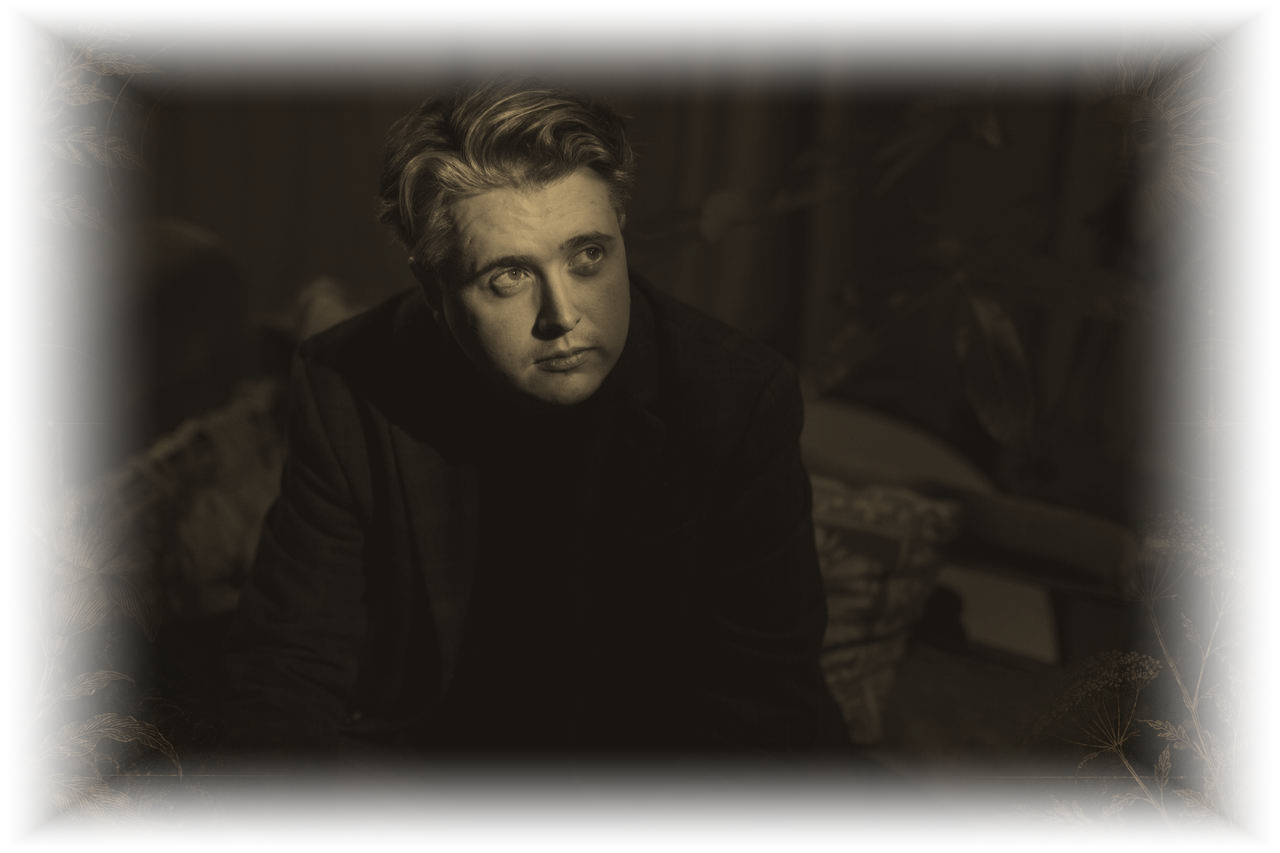
My name is William Wyrd. I am a Guildford-based ritualist, published author and lifelong student of the ideas through which human beings have tried to understand themselves: philosophy, mythology, folklore, religion, symbolism and the esoteric traditions.
My interest in these subjects is not an accessory to my work. It is the foundation of it. I have spent years reading, questioning and exploring how people construct meaning — and why certain words, gestures and occasions stay with us long after the moment itself has passed.
My background
I have studied ritual, magic, philosophy and symbolism since my teenage years. I am a trained street chaplain and Samaritan volunteer, and have conducted wedding blessings and funeral services outside an ordained religious capacity. I wrote The Shape of Shape and have also published Pan Wanka and Paris Workings.
I began a history degree at University College London before leaving academic life for a more bohemian existence in Prague, where I spent a decade.
Why William Wyrd?
William Wyrd is a chosen name. In magical traditions, adopting another name can help enter a particular state of mind and set aside everyday identity. For me it is a reminder to put my ego aside: the ceremony is about you, not me.
A life among books and ideas
I have always been drawn to questions that resist a convenient answer. What makes a symbol powerful? Why do certain stories recur across cultures? How does a private experience acquire meaning when it is given a public form? What do we do with the parts of life that ordinary language seems unable to contain?
My reading ranges across occult and magical literature, ritual studies, philosophy, mythology and approaches to the human mind. I am particularly interested in the meeting point between intellectual enquiry and lived experience: the place where an abstract idea becomes something felt, spoken or enacted.
I am also a published author, having written about shape and consciousness. Writing has taught me to value precision, curiosity and the patient work of finding the right language. These qualities matter equally when creating a ceremony for someone else.
The art of listening
I believe a good ritual begins long before anyone lights a candle or speaks a formal word. It begins with listening.
I have trained as a Samaritan listening volunteer and volunteer in street chaplaincy. These experiences have brought me into contact with people whose circumstances, beliefs and stories differ greatly from my own. They have strengthened a conviction that people rarely need to be reduced to a problem to be solved. They deserve attention, dignity and the freedom to speak in their own terms.
Listening is not the passive part of my work. It is what allows me to distinguish the important detail from the merely impressive one, and to understand when a moment calls for words — and when silence would be more honest.
My ritual practice is independent of these volunteering organisations and is neither provided nor endorsed by them.
The spoken word, and the presence behind it
Ritual is not only a matter of ideas. It is also an occasion in the world, often witnessed by other people. Its words have to be spoken, not simply written. Its silences have to be held. Its pace must allow those present to feel that something important is taking place.
I bring a strong interest in public speaking, storytelling and the craft of presentation to this work. I care about the sound of a sentence, the weight of a pause and the difference between theatricality that illuminates a moment and theatricality that distracts from it. My aim is to speak with warmth, clarity and conviction, never to turn somebody else’s experience into my performance.
Some ceremonies need intimacy and restraint; others benefit from a more expansive, communal voice. I take the responsibility of guiding either kind of gathering seriously.
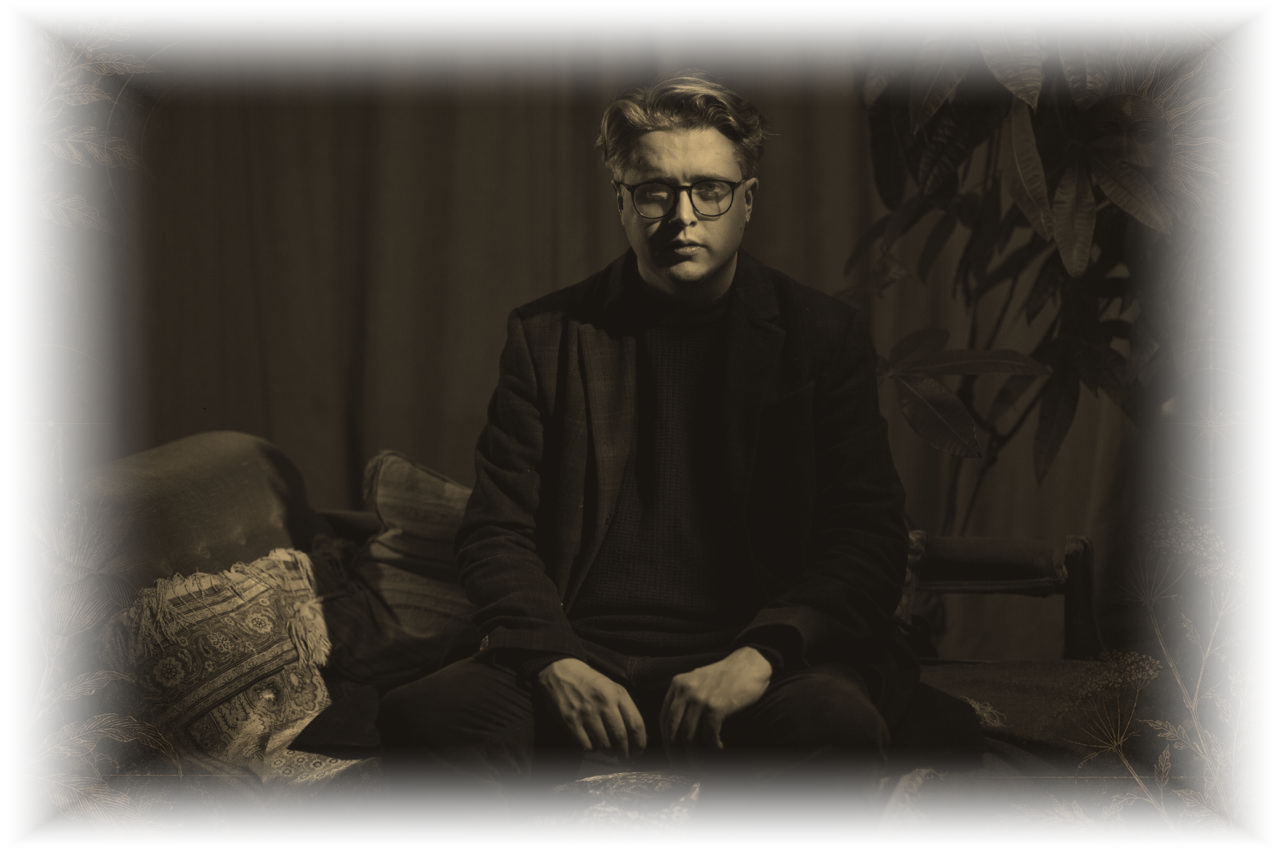
Spiritual without demanding belief
My study of ritual includes magical and spiritual traditions, which I approach with genuine interest rather than as a collection of decorative curiosities. At the same time, I know that not everyone understands the world through the same metaphysical lens.
I welcome religious people, spiritual seekers, agnostics and committed sceptics. I do not ask clients to adopt my convictions, nor do I promise supernatural results. I am interested in the significance of a ritual for the people taking part — whether they understand that significance spiritually, psychologically, socially or simply as an act of remembrance.
Why I became a ritualist
It has often struck me that we possess ceremonies for a handful of recognised milestones and remarkably few for the changes that may alter us just as profoundly. There is a wedding for a marriage and a funeral for a death. But what marks the end of a friendship, a farewell to a family home, a change of identity or the life we imagined but never lived?
My practice grew from that question. I want to help people give shape to significant experiences that might otherwise pass without acknowledgement. Not to fix the past, guarantee closure or prescribe a new future, but to make a place for what has happened.
That may involve a private ceremony for one person, or a gathering of friends and family. It may draw on an ancient symbolic vocabulary or use the simplest objects at hand. What matters is that the form is appropriate to the person and the occasion.
Working with me
I offer two ways to work together: bespoke rituals and ceremonies, which I personally conduct in person, and Personal & Spiritual Consultation, a private conversation for spiritual questions and thoughtful perspective.
In either case, you can expect curiosity rather than judgement, careful preparation rather than a stock script, and a willingness to take your experience seriously without taking myself too seriously.
For more about the ideas behind this work, read Beyond the Celebrant. Or, if something in your life deserves attention, get in touch for a free introductory conversation.

